Halal FriendlyTakaful direct billing
YILV CHINA logoYILV CHINA
menu_bookPartner hospital official material · transcribed as publishedclinical_notes9 clinical departments · 15 treatment casesinfoHospital-stated position · no promise of treatment outcome

Shenzhen Qianhai Taikang Hospital
Official Treatment Cases and Expert Profiles

This page sets out the treatment cases, technical milestones and lead experts publicly disclosed in the official profile of the hospital. They are arranged by department: a departmental photograph on the left, and the lead expert and case descriptions for that department on the right. All "first in the region" and efficacy-related statements reflect the position of the hospital; we transcribe them as published, without rewriting, and make no promises about them.

Source materialOfficial profile

Shenzhen Qianhai Taikang Hospital Introduction (pages 14–18)

Selected clinical cases: protecting life and scaling the summit of medicine through technology

location_onShenzhen Qianhai · Guangdong-Hong Kong-Macao Greater Bay Area
9Clinical departments published
15Treatment cases published
3Including provincial / municipal first-in-region techniques
10Lead and invited experts
videocamRecent procedure

Endoscopic removal of a sequestered disc: footage from three lumbar procedures

On 2 February 2026, Professor Zhang Guomin performed transforaminal endoscopic spine surgery on three patients with sequestered lumbar disc herniation at Foshan Orthopaedic Hospital, successfully removing the free nucleus pulposus tissue. The footage below is from that session.

warningThis is unedited footage from the operating theatre. It includes clinical imaging and removed tissue and may be distressing.

event
Procedure date
2 February 2026
location_on
Hospital
Foshan Orthopaedic Hospital
clinical_notes
Operating surgeon
Professor Zhang Guomin
groups
Patients treated
Three patients
medical_services
Procedure
Transforaminal endoscopic spine surgery

tocIn this video

schedule1:04

This footage was supplied by the hospital and describes the pathway followed in this single case. It is not a promise of clinical outcome, and it does not mean the same approach applies to every similar condition; suitability is determined independently by the treating physician based on in-person examination.

Hospital-Published Cases

Cases by Department · 9 clinical departments

One card per department: the on-site departmental photograph on the left, and the lead expert profile and published case descriptions for that department on the right. The department heading links straight to its anchor.

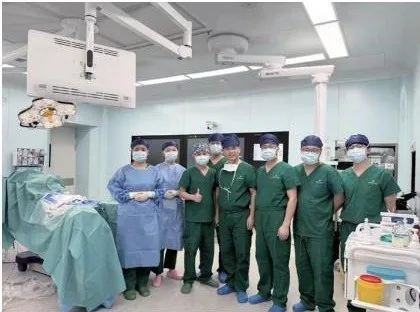
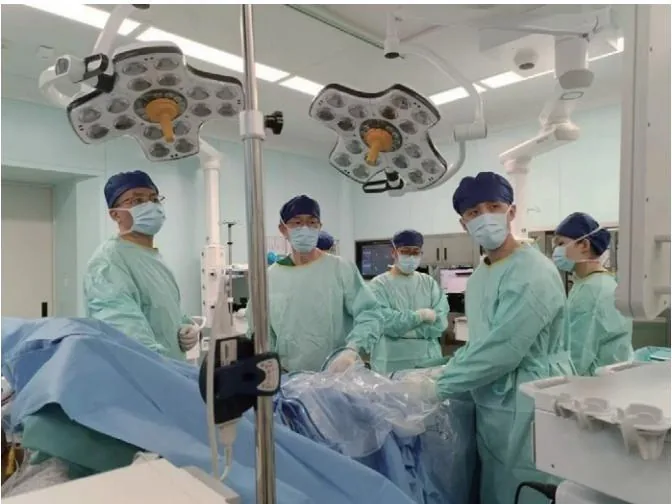
Sports Medicine surgical team (official material of Shenzhen Qianhai Taikang Hospital)
Sports MedicineLive photo · hospital official material

Sports Medicine

Case 1 was the first in Guangdong Province3 treatment cases
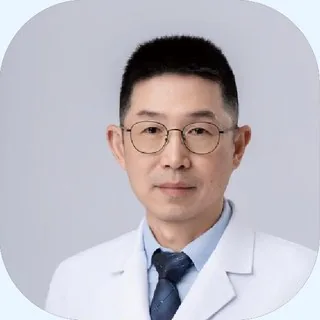
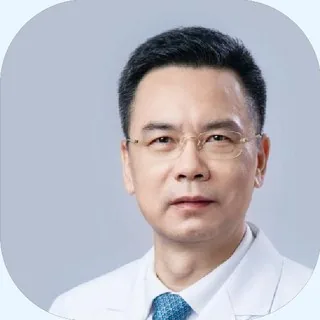
Sports Medicine lead expert Lu Wei
Lu WeiLead expertSports Medicine · Chief Physician, Professor, Doctoral Supervisor
  • check_circleCore member of the Chinese sports medicine discipline
  • check_circleLead of the national orthopaedic sports medicine key discipline group and of the sports medicine key disciplines in Guangdong Province and Shenzhen
  • check_circleOne of the founders of modern sports medicine in Guangdong Province
  • check_circleInternational Arthroscopy Outstanding Physician Award; one of China's top ten arthroscopy experts

Sports Medicine is led by Director Lu Wei, a renowned sports medicine specialist and a core member of the Chinese sports medicine discipline. The department has built an internationally advanced shoulder centre and articular cartilage repair centre, and provides specialised services for specific conditions.

  1. 1Performed the first arthroscopic anterior cruciate ligament reconstruction in Guangdong Province (double-bundle LARS ligament reconstruction), using an innovative technique with a tolerance of only 1 millimetre to help a 35-year-old badminton player with a torn anterior cruciate ligament and a meniscal tear return to competition sooner.
  2. 2Among the first in China to carry out the internationally advanced autologous collagen-induced chondrogenesis (ACIC), giving patients with cartilage damage a more advanced and longer-lasting treatment option.
  3. 3Has performed multiple cases of the most difficult procedure in sports medicine and the one with the best return-to-sport outcomes: the arthroscopic LUtarjet procedure (named after Director Lu Wei).
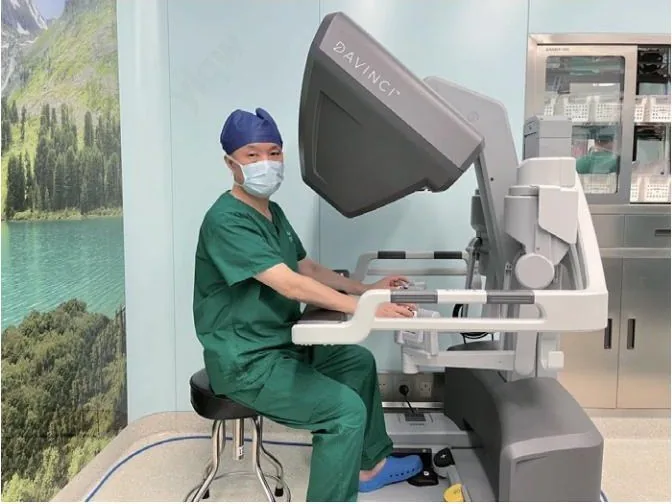
Da Vinci robotic surgery in Urology (official material of Shenzhen Qianhai Taikang Hospital)
UrologyLive photo · hospital official material

Urology

Department overview
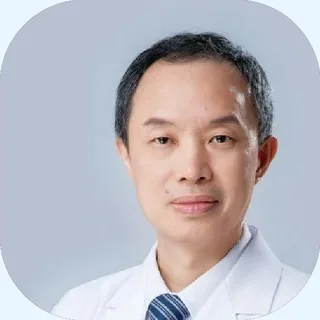
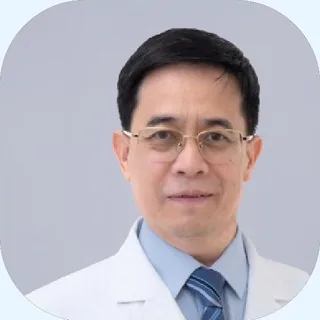
Urology lead expert Liu Jiumin
Liu JiuminLead expertUrology · Chief Physician, Master's supervisor
  • check_circleFormer Director of Urology, Guangdong Provincial People's Hospital
  • check_circleVice Chairman of the Urology Branch of the Guangdong Medical Association; Head of the Prostate Group
  • check_circle"Golden Scalpel Award" for minimally invasive urological surgery in Guangdong Province
  • check_circleYangcheng Good Doctor
  • check_circleHighly skilled in Da Vinci robotic surgery and advanced minimally invasive techniques for urological disease, performing more than 600 operations a year

Urology is led by Director Liu Jiumin, former Director of Urology at Guangdong Provincial People's Hospital and a recipient of the "Golden Scalpel Award" for minimally invasive urological surgery in Guangdong Province. He has extensive clinical experience in urinary tumours, urinary stones and congenital malformations, as well as in andrology and kidney transplantation. He is highly skilled in robot-assisted surgery, laparoscopic techniques and minimally invasive treatment of urinary stones. The department continues to perform highly difficult robot-assisted laparoscopic minimally invasive procedures across a wide range of urological fields, including urinary tumours, pelvic tumours and adrenal tumours.

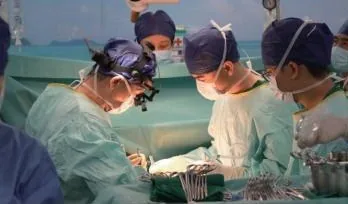
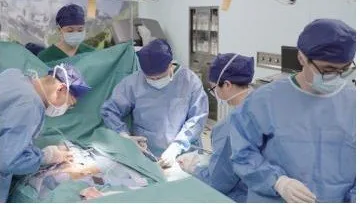
Cardiac surgery under way (official material of Shenzhen Qianhai Taikang Hospital)
Cardiac SurgeryLive photo · hospital official material

Cardiac Surgery

3 treatment cases
Cardiac Surgery lead expert Wang Zhiping
Wang ZhipingLead expertDirector of the Cardiothoracic and Vascular Centre and Discipline Lead for Cardiac Surgery · Chief Physician, Professor, Doctoral Supervisor

Cardiac Surgery is led by Professor Wang Zhiping, former Director of Cardiac Surgery at The First Affiliated Hospital, Sun Yat-sen University. He is proficient in coronary artery bypass grafting, valvular disease, great vessel disease, congenital heart disease and heart transplantation, and has pioneered several cardiac surgical techniques internationally. The department has performed a series of highly demanding core procedures on an ongoing basis, including valve repair or replacement, correction of congenital heart disease and coronary artery bypass grafting; all patients were transferred out of the intensive care unit (ICU) less than 24 hours after surgery.

  1. 1Successfully repaired the "ruptured" heart of a 37-year-old man admitted as an emergency. The patient had a ruptured aortic sinus aneurysm with secondary acute right heart failure and liver and kidney injury; emergency repair of the ruptured aortic sinus aneurysm, tricuspid valvuloplasty and pacemaker implantation were performed, saving his life.
  2. 2Performed a combined procedure for a patient from Xinjiang: coronary artery bypass grafting, left ventricular aneurysm resection, thrombectomy and left ventricular reconstruction in one operation, together with endarterectomy of an occluded vessel — one of the most complex operations in cardiac surgery.
  3. 3Successfully performed minimally invasive surgery for complex congenital heart disease: Mdm Zhou, aged 50, had congenital heart disease with six atrial septal defects and an associated atrial septal aneurysm, and delay had led to cardiac enlargement, pulmonary hypertension and eventually heart failure. The team performed a minimally invasive cardiopulmonary bypass thoracoscopic repair of the atrial septal defects through a small right intercostal incision that did not damage the sternum, precisely resecting the aneurysm tissue and closing all six atrial septal defects with a patch in one procedure.
Interventional procedure in Cardiology (official material of Shenzhen Qianhai Taikang Hospital)
CardiologyLive photo · hospital official material

Cardiology

Cases 1 and 2 were the first in Shenzhen4 treatment cases
Cardiology lead expert Hu Chengheng
Hu ChenghengLead expertCardiology · Chief Physician, Professor, Master's supervisor, Postdoctoral co-supervisor
  1. 1Performed Shenzhen's first transcatheter aortic valve replacement (TAVR) with cerebral protection, a procedure described as "micro-sculpture of the heart". It gave a new lease of life to a 76-year-old patient with severe aortic stenosis and end-stage chronic heart failure, and filled a gap in this technology in Shenzhen.
  2. 2Performed Shenzhen's first implantation of a bioresorbable coronary stent (magnesium alloy) under the Hong Kong and Macao medicines and devices scheme for a patient with coronary atherosclerotic heart disease (coronary heart disease); the team has since performed several further cases.
  3. 3Performed a highly demanding triple-chamber pacemaker implantation (cardiac resynchronisation therapy defibrillator, CRT-D), bringing hope to a patient with complex heart disease: coronary heart disease, old myocardial infarction, ischaemic cardiomyopathy, cardiac enlargement, complete left bundle branch block and cardiac function class IV.
  4. 4Together with Professor Long Ming, a member of Director Liao Xinxue's renowned physician studio in the Department of Cardiovascular Medicine at The First Affiliated Hospital, Sun Yat-sen University, performed percutaneous closure of a patent foramen ovale (Patent Foramen Ovale, PFO), successfully sealing the abnormal channel in the heart and preventing potential thromboembolic events such as stroke at their source.
Thoracoscopic surgery in Thoracic Surgery (official material of Shenzhen Qianhai Taikang Hospital)
Thoracic SurgeryLive photo · hospital official material

Thoracic Surgery

Case 1 was the first in Shenzhen2 treatment cases
Thoracic Surgery lead expert Chen Kailin
Chen KailinLead expertThoracic Surgery · Chief Physician
Invited expert Xie Yuancai
Xie YuancaiInvited expertDepartment of Thoracic Surgery, Peking University Shenzhen Hospital · Thoracic Surgery · Chief Physician, Master's supervisor
  • check_circleLong-standing work in the surgical treatment of chest diseases and the comprehensive diagnosis and treatment of thoracic tumours
  • check_circleNearly 5,000 outpatient visits, more than 1,000 thoracic surgery admissions and over 500 operations a year
  • check_circleSpecialises in the diagnosis and surgical treatment of lung cancer, oesophageal cancer, and mediastinal and chest wall tumours
  • check_circleSpecialises in minimally invasive thoracoscopic surgery for lung cancer, oesophageal cancer, mediastinal tumours, bullae, pneumothorax and palmar hyperhidrosis
  • check_circleParticularly skilled in precise segmentectomy for pulmonary nodules under three-dimensional CT reconstruction
  1. 1Professor Chen Kailin, Director of Thoracic Surgery, together with Professor Wu Jin, Director of Nephrology, successfully performed a mediastinal mass resection without entering the chest cavity for a patient with a mediastinal mass — the first transsternal resection of an ectopic mediastinal parathyroid in Shenzhen. The patient, a 50-year-old man from Hunan, had been receiving dialysis for more than ten years because of kidney failure; from 5 years earlier he had developed generalised itching, bone pain, osteoporosis and resistant hypertension, and was diagnosed with secondary renal hyperparathyroidism. The operation resolved the unexplained hyperparathyroidism that had troubled the patient for years.
  2. 2A 79-year-old patient with a malignant tumour in the middle and lower lobes of the right lung showed no obvious tumour shrinkage after 4 cycles of chemotherapy combined with immunotherapy and continued to lose weight. Because of the extensive tumour invasion, severe hilar adhesions (possibly a "frozen hilum") and poor cardiopulmonary function, the hospital performed a single-port thoracoscopic right middle and lower lobectomy with bronchoplasty, intrapericardial management of the pulmonary vessels and mediastinal lymph node dissection — an extremely difficult and high-risk operation. The patient has now recovered and been discharged.
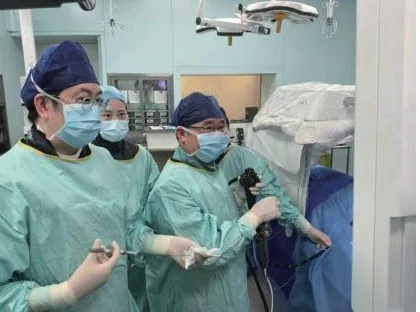
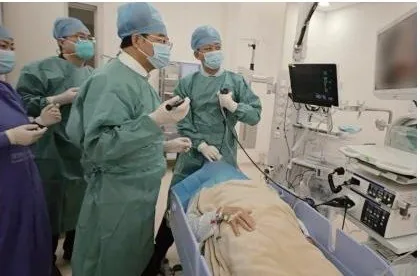
Gastrointestinal endoscopy procedure (official material of Shenzhen Qianhai Taikang Hospital)
Gastrointestinal EndoscopyLive photo · hospital official material

Gastrointestinal Endoscopy

2 treatment cases
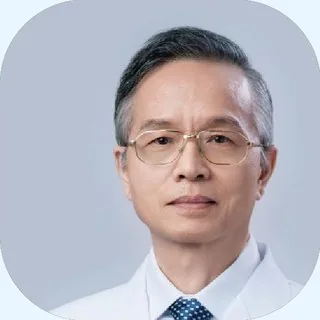
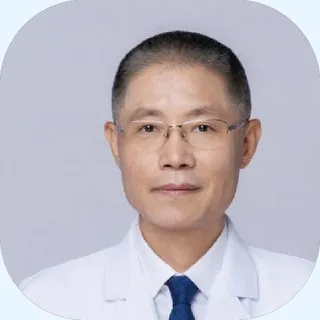
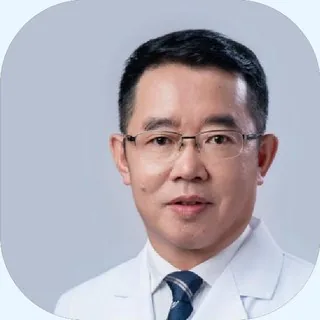
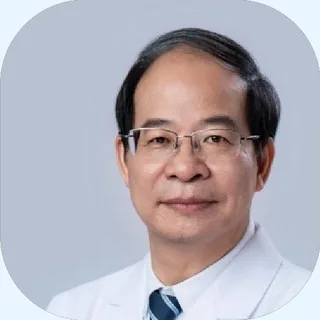
Gastrointestinal Endoscopy lead expert Li Chujun
Li ChujunLead expertGastrointestinal Endoscopy · Chief Physician, Master's supervisor, Postdoctoral co-supervisor

Gastrointestinal Endoscopy is led by Professor Li Chujun, former Head of the Gastrointestinal Endoscopy Department at The Sixth Affiliated Hospital, Sun Yat-sen University, and a holder of the "Lingnan Famous Doctor" and "Yangcheng Good Doctor" honours, with more than 100,000 endoscopic procedures performed. The department has extensive experience in the clinical diagnosis and treatment of digestive system diseases, including diseases of the oesophagus, stomach and intestines as well as hepatobiliary and pancreatic disorders, and in diagnosis and treatment under gastrointestinal endoscopy.

  1. 1Successfully performed the "super-minimally invasive", incision-free endoscopic retrograde appendicitis therapy (ERAT), a minimally invasive treatment with rapid recovery.
  2. 2Successfully performed minimally invasive endoscopic resection of a large mass (4cm+) in the descending duodenum combined with ERCP (endoscopic retrograde cholangiopancreatography) for a 76-year-old patient from Shunde, Foshan.
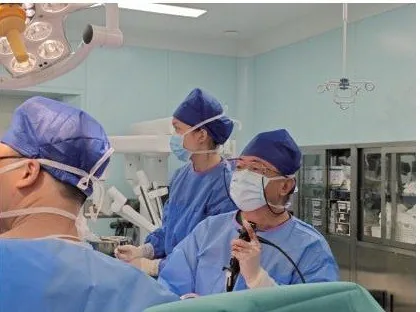
Laparoscopic surgery in Hepatobiliary Surgery (official material of Shenzhen Qianhai Taikang Hospital)
Hepatobiliary SurgeryLive photo · hospital official material

Hepatobiliary Surgery

Department overview
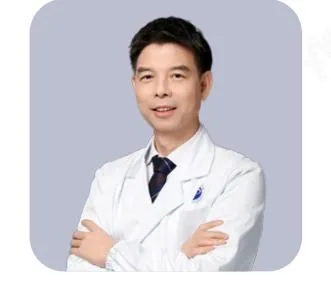
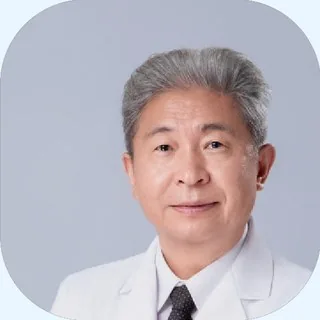
Hepatobiliary Surgery lead expert Zhou Jie
Zhou JieLead expertHepatobiliary Surgery · Chief Physician, Professor, Doctoral Supervisor

Hepatobiliary Surgery is led by Professor Zhou Jie, former Director of the Hepatobiliary and Pancreatic Surgery and Liver Transplantation Centre at Nanfang Hospital of Southern Medical University. He has more than 40 years of frontline clinical experience in hepatobiliary and pancreatic surgery, has successfully diagnosed and treated several hundred cases of benign and malignant hepatobiliary and pancreatic tumours such as liver cancer, cholangiocarcinoma and pancreatic cancer, more than a thousand cases of biliary stone disease (see the note on the original wording at the top of this file), and has personally performed more than 200 liver transplants, 1/3 of which achieved zero blood transfusion. The hospital has already performed a number of major complex liver operations, including liver cancer resection, resection of colorectal cancer liver metastases and resection of hepatic cavernous haemangioma. One patient with a congenital choledochal cyst has followed Director Zhou Jie for 35 years, from Dongguan to Shenzhen, seeking him out again for a highly difficult biliary operation.

The Gastrointestinal Surgery team (official material of Shenzhen Qianhai Taikang Hospital)
Gastrointestinal SurgeryLive photo · hospital official material

Gastrointestinal Surgery

1 treatment cases
Gastrointestinal Surgery lead expert Chen Minhu
Chen MinhuLead expertHospital Director and Discipline Lead of the Digestive Medicine Centre · Chief Physician, Professor, Doctoral Supervisor
  1. 1Together with Professor Chen Zhihui of Gastrointestinal Surgery at The First Affiliated Hospital, Sun Yat-sen University, completed a complex, highly difficult laparoscopic operation for Crohn's disease, a type of surgery rarely performed in Shenzhen. The patient had lost weight and passed unformed stools for six months, and was considered to have active Crohn's disease with intestinal stricture and an intestinal fistula. After seeking care at several hospitals without satisfactory response to medication, the patient travelled from Shenzhen to Guangzhou to consult Professor Chen Minhu, and finally followed him to Shenzhen Qianhai Taikang Hospital. After reviewing the patient, Professor Chen Minhu advised active surgical treatment followed by medication, and coordinated experts from The First Affiliated Hospital, Sun Yat-sen University, Director Zhou Jie's general surgery team, Director Chen Qikui's gastroenterology team and the surgical anaesthesia centre to complete a laparoscopic right hemicolectomy with partial ileal resection and repair of a sigmoid fistula.
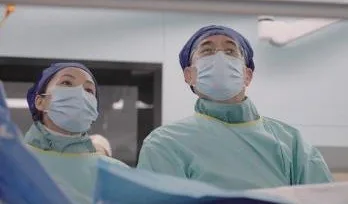
Bronchoscopic interventional procedure in Respiratory Medicine (official material of Shenzhen Qianhai Taikang Hospital)
Respiratory MedicineLive photo · hospital official material

Respiratory Medicine

Department overview
Respiratory Medicine lead expert Zhao Ziwen
Zhao ZiwenLead expertRespiratory Medicine · Chief Physician, Professor, Doctoral Supervisor

Respiratory Medicine is led by Professor Zhao Ziwen, former Director of the Department of Respiratory and Critical Care Medicine at Guangzhou First People's Hospital and one of the first "Lingnan Famous Doctors". He has long been engaged in the diagnosis, treatment and research of respiratory diseases, and specialises in the management of critically ill respiratory patients and in interventional respiratory techniques. The department has performed endobronchial valve implantation, stent implantation and other level-IV bronchoscopic interventional procedures that are at the leading edge of the field, all with good outcomes and positive feedback from patients.

infoThe content and images above are taken from Shenzhen Qianhai Taikang Hospital Introduction (pages 14–18), publicly disclosed material of the hospital. Statements such as "first in the region", "all transferred out of ICU in under 24 hours" and "surgical volume" reflect the official position of the hospital; this site transcribes them as published and neither verifies nor endorses them. The choice of any treatment and its outcome must be judged independently by the attending physician team of the receiving hospital on the basis of the patient findings on site.

How A Cross-Border Referral Works

From Records to the Ward: Four Key Stages of Cross-Border Care

The cases above only happen because the same sequence sits behind them: records restructuring → department routing → treatment on the ground → handover back in Malaysia. If any one stage is missing, the family spends more time and money abroad than the illness itself requires.

01clinical_notes

Records restructuring: turning a pile of files into a chart a specialist can read

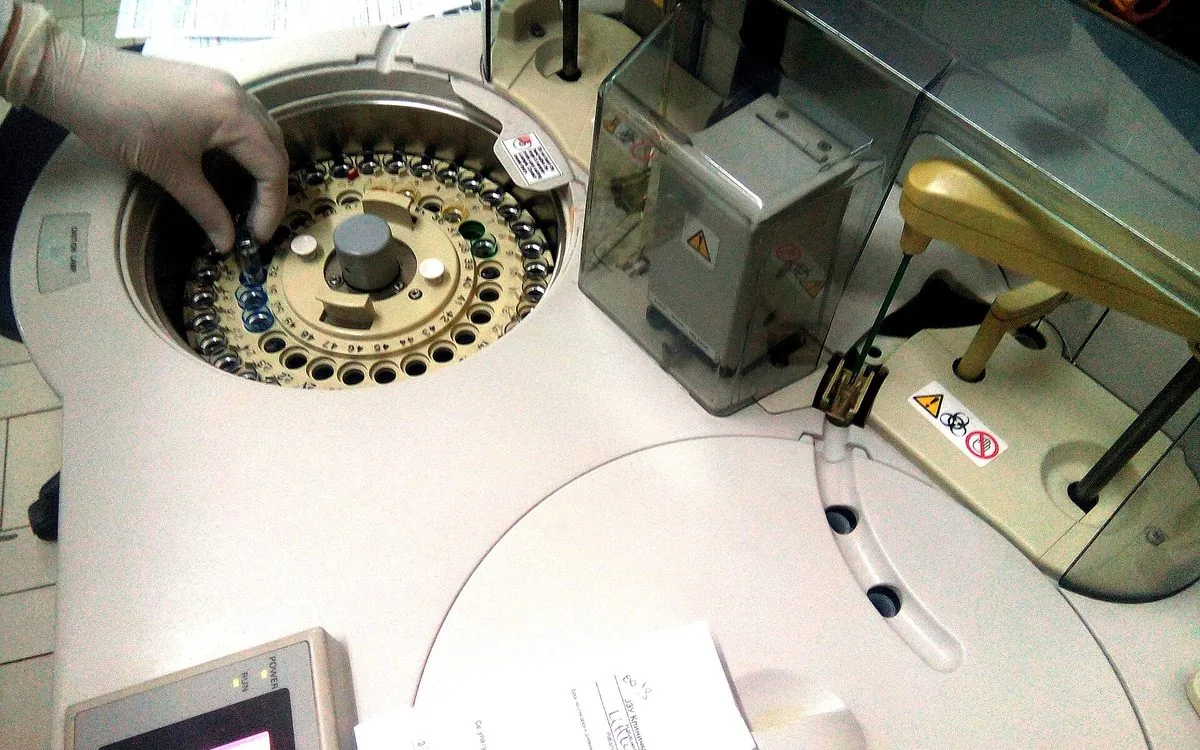
Mixed English / Malay Malaysian charts, English imaging reports and pathology slides are rebuilt into standardised Chinese clinical documents that meet National Health Commission requirements, with diagnoses aligned to ICD-10 coding.

Completed in 3 working days on averageRecords restructuring: turning a pile of files into a chart a specialist can read · process illustration
02hub

MDT routing: putting the file in front of the right director

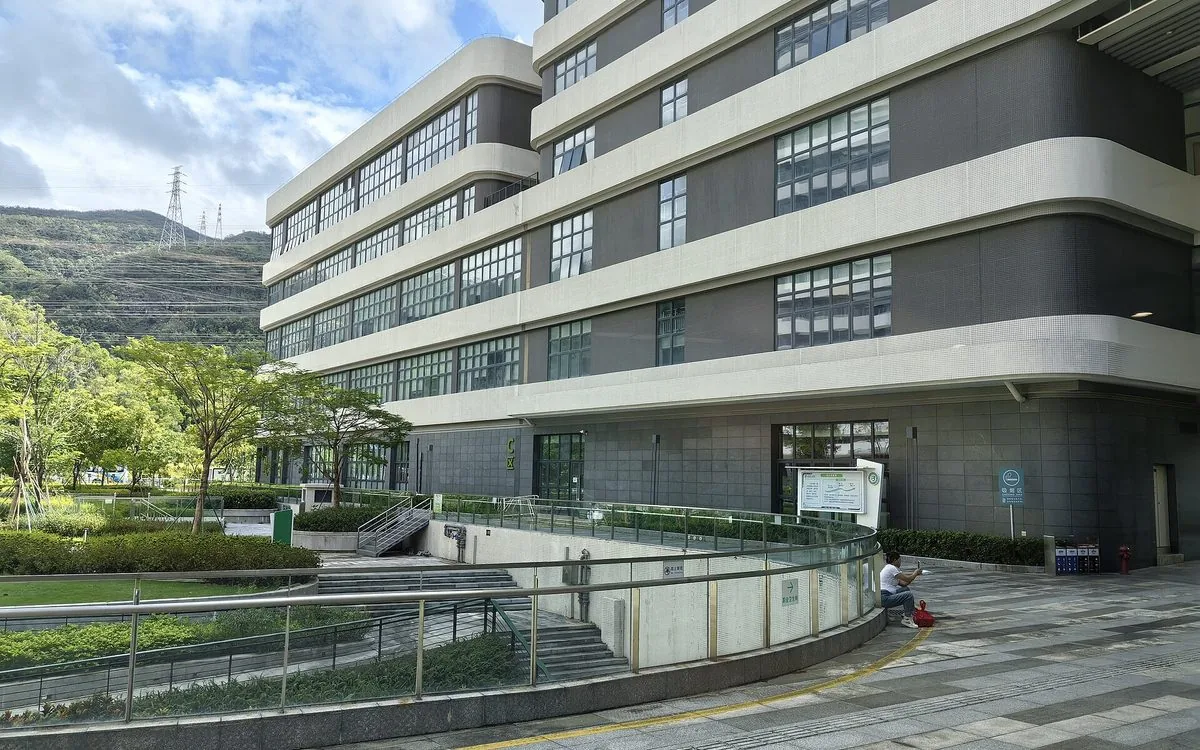
Department and specialist tier are matched by disease type, stage and prior treatment history, and the file enters pre-screening through the VIP / international medical service channel, instead of leaving the family to queue for appointments and hope for the best.

Matched to 1–2 relevant departments on averageMDT routing: putting the file in front of the right director · process illustration
03local_hospital

Treatment on the ground: care delivered inside the official fee schedule

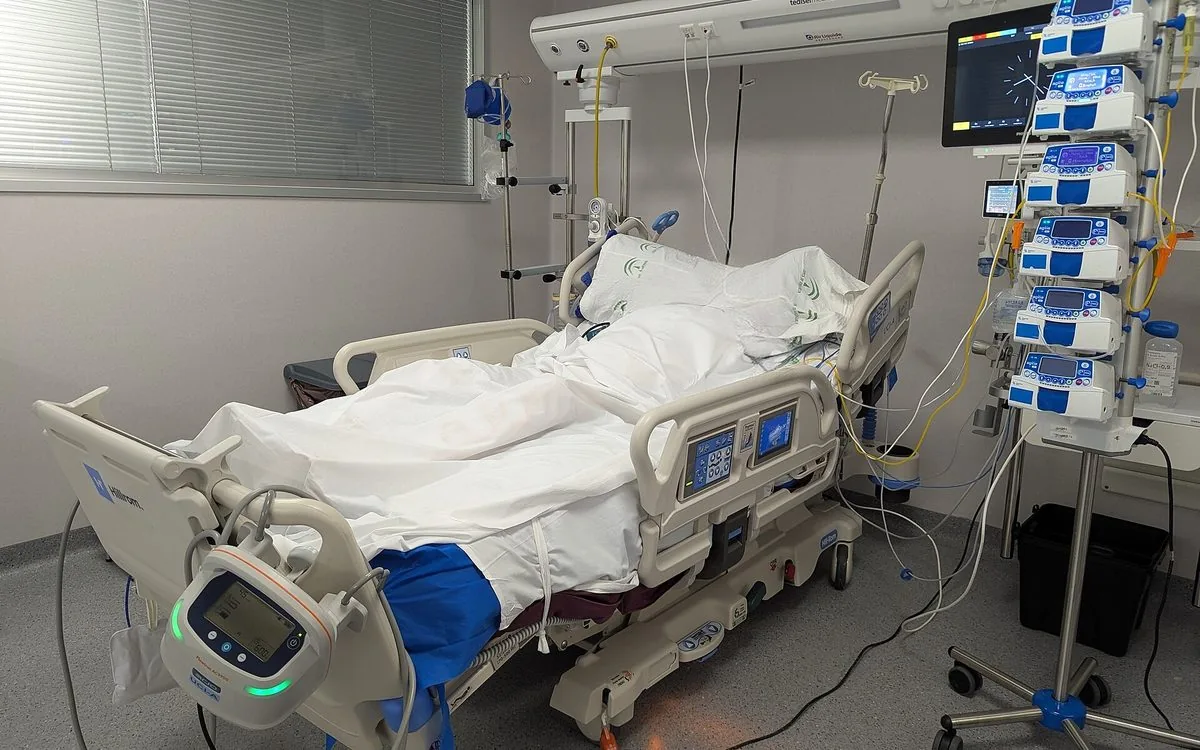
After entry into China an on-site coordinator escorts the patient into the hospital VIP department; registration, tests, surgery and admission all take place under the hospital official named-patient card, and the hospital issues the invoices directly.

Attending physician seen within 24–48 hours of arrivalTreatment on the ground: care delivered inside the official fee schedule · process illustration
04replay

Handover in Malaysia: discharge documents and local follow-up returned to your Malaysian doctor

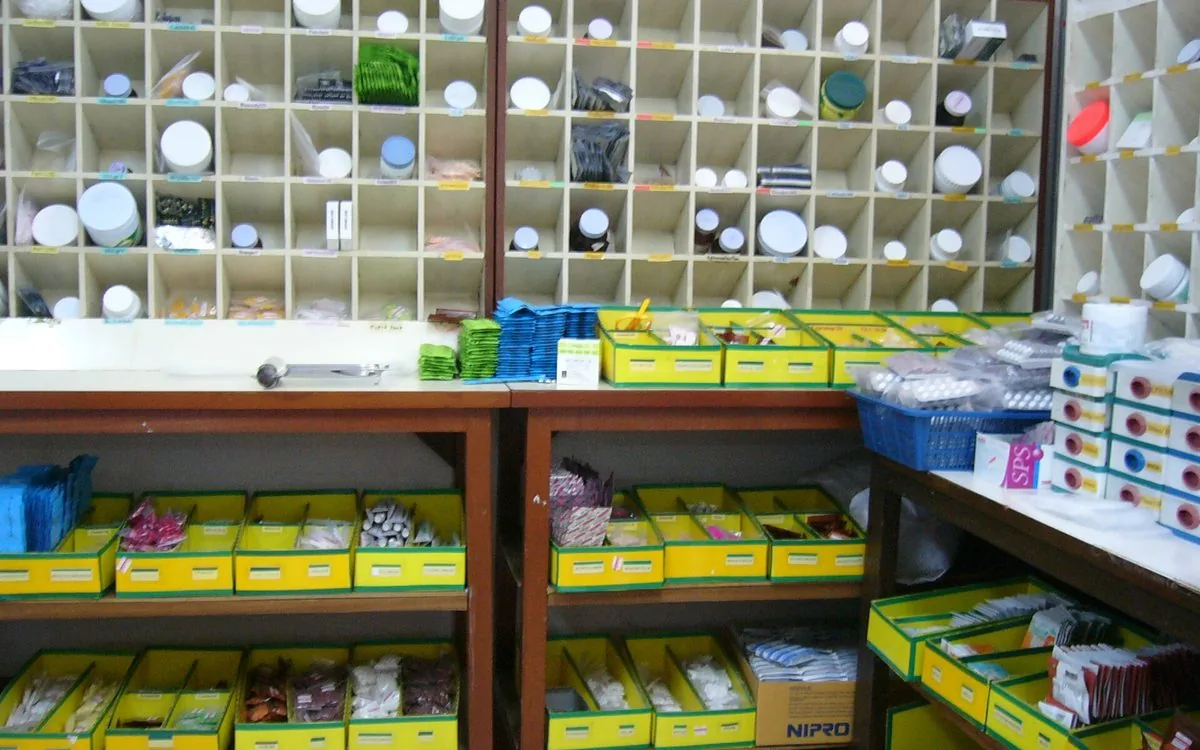
The English discharge follow-up memorandum and the compliant medication supply are issued by the receiving hospital team; review and follow-up after returning to Malaysia are carried out by your attending doctor in Malaysia, avoiding the "thread that breaks the moment you go home".

Discharge handover and follow-up guidanceHandover in Malaysia: discharge documents and local follow-up returned to your Malaysian doctor · process illustration

Note: the images in this section are process illustrations (CC0 / public-domain clinical scenes) used to explain the stages of a cross-border referral, and are not on-site photographs of the department cases above.

Case FAQ

Questions You May Have About These Cases

A case can be a reference, but it cannot be a promise. This section sets out where that line falls.

Q1Were these cases published by the hospital itself?expand_more
Yes. All cases, expert profiles and images on this page are taken from pages 14–18 of the Shenzhen Qianhai Taikang Hospital Profile, an official public document of that hospital; the text is transcribed item by item as published, and the images have only been cropped and compressed, with no change to their content. Statements such as "first in the region", "surgical volume" and "transferred out of ICU in under 24 hours" reflect the published position of the hospital; this site has not independently verified them one by one and does not endorse those conclusions.
Q2What can these cases show, and what can they not show?expand_more
What they show is which technical capabilities, procedural range and team composition the hospital has publicly disclosed in these specialty areas, so that you can judge whether its strengths match a given patient condition. What they cannot show is that an individual patient will necessarily obtain the same result. The procedures, recovery progress and outcomes described in the cases are individual results, influenced by stage, pathology type, underlying disease and treatment response.
Q3Can I ask for one of the experts featured in these cases to be my attending physician?expand_more
You may name a preferred expert when submitting the records for pre-assessment, and we will record that preference in the routing proposal. The final schedule and attending arrangement, however, are determined by the hospital according to the patient condition, the expert clinic roster and concurrent admissions; if the preferred expert is temporarily unavailable, the hospital will assign an expert of the same tier or move the patient to an additional VIP clinic slot. This is set out clearly in the pre-assessment notes.
Q4Do foreign patients pay more for treatment in these departments?expand_more
No. International and VIP medical services at partner hospitals follow the fee standards approved by the provincial and municipal development and reform commissions and by the National Health Commission, and those standards are displayed publicly inside the hospital. Foreign and local patients pay under the same price list; the difference lies only in the choice of VIP ward and service tier. All sums are paid by the patient or family directly at the official hospital finance counter against a formal receipt. We do not collect medical fees on behalf of the hospital, and we charge no medical markup or rebate.
Q5Are the surgical photographs on this page genuine hospital photographs?expand_more
Yes. The departmental photographs and expert portraits are taken from the original images inside the official profile of the hospital, and we have only cropped and compressed them, without changing the content of the images. The expert portraits are the same set of photographs used on the doctor wall of the Hospitals & Doctors page on this site, keeping the whole site consistent. There are no illustrative or stock-library images on this page.
gavelCase Notes and Disclaimer

The cases, expert profiles and images on this page are taken from Shenzhen Qianhai Taikang Hospital Introduction (pages 14–18), publicly disclosed material of the hospital. The text is transcribed item by item as published; the images have only been cropped and compressed, with no change to their content. This site has not independently verified them item by item and does not endorse the technical capability or the treatment outcomes of the hospital. The page content serves only to describe the treatment directions and team composition publicly disclosed by that hospital, and does not constitute medical advice, a promise of efficacy or any guarantee of future results. Any diagnostic or treatment decision must be made independently by a qualified medical institution and a licensed physician on the basis of the patient findings on site.

fact_checkFree Initial Assessment · We Do Not Push Unnecessary Cross-Border Treatment

Would You Like to Confirm Whether Your Condition Fits the Departments Above?

Upload the pathology and imaging reports from the treatment the patient has received in Malaysia, and the Malaysia-China medical team will return one of three conclusions within 24–48 hours: treatment in China is advised, a remote second opinion should be obtained first, or continued treatment in Malaysia is advised. If treatment in China is advised, we also provide the matching department and specialist tier recommendations.

✓ Strict compliance with Malaysia PDPA privacy law✓ 256-Bit SSL medical-grade encrypted transfer✓ No advance deposit of any kind