
Visit China overview · Four pathways at a glance
Travelling to China: is it worth it, how do you plan it, and what else can you fit in?
The same handful of concerns comes up in most Malaysian families: will language get in the way, will the food suit us, does mobile payment work, and what happens if someone suddenly needs a doctor. This page lays all four pathways out in full —— first the lived experience, then how to choose a destination, then getting connectivity and DCC-proof payments in order, and finally assessing whether a public tertiary-hospital check-up belongs in your itinerary. Decide with a clear head; there is no rush.
No visa-centre queue, no interview: travel on a passport valid six months or more plus a return ticket (covers sightseeing, business, visiting relatives, and outpatient health screening).
30-day visa-free stay
Malaysian citizens on an ordinary passport can simply go, covering sightseeing and outpatient check-ups.
4-hour direct flight to Guangzhou
Direct from Kuala Lumpur or Penang to Guangzhou and Shenzhen, no time difference —— no jet lag for older companions.
Link your Malaysian card
Link Visa / Mastercard / TNG directly in WeChat Pay or Alipay and skip the anxiety of carrying a thick stack of cash.
Chinese / English / Malay
Cantonese and Mandarin flow freely across Lingnan, and our coordinators support English and Malay.
Four pathways into China: from first impressions to a booked schedule
You do not need to swallow every guide at once. Follow the logic one step at a time: see the real experience first, then pick a destination, then get prepared, and add value along the way.
"What is it actually like in China?"
Strip away the internet filters and outdated assumptions. The punctuality of the high-speed rail network, the reassurance of clean and orderly cities, the speed of a cashless society, and how it all feels to a Malaysian Chinese family.
- Infrastructure and public-safety feel
- Accessible travel for older companions
- First-hand accounts from Malaysian Chinese visitors
"Greater Bay Area cities and Lingnan life"
Guangzhou, Shenzhen, Foshan and Zhuhai lead the list. Singapore and Malaysia share the same Cantonese roots, so language and taste connect seamlessly; intercity high-speed rail links the modern and the unhurried within 30 minutes.
- Guangzhou (old-town flavours and morning tea)
- Shenzhen (tech energy and coastal boardwalks)
- Shunde for food (UNESCO City of Gastronomy)
"A first-timer's practical handbook for China"
Leave the pre-trip anxiety behind. How do you link a Malaysian card and avoid the extra 3%–5% DCC dynamic currency conversion? How do you keep receiving Malaysian bank OTP codes while roaming?
- WeChat / Alipay anti-DCC techniques
- Malaysian roaming e-SIM that keeps WhatsApp working
- Six essential apps to install before arrival
"Add one tertiary-hospital check-up to the trip"
Use half a day of your stay for advanced imaging at a national-level medical centre (low-dose chest CT, gastroscopy and colonoscopy, cardiovascular calcium scoring).
- Direct liaison with public tertiary-hospital check-up centres
- Fully transparent cost: check-up fees paid straight to the hospital
- Priority specialist referral within 60 days if findings need it
Entry and stay: is 30 visa-free days actually enough?
Clarifying, for Malaysian citizens, the difference between going visa-free and lodging a formal visa application when the trip mixes ordinary sightseeing, visiting relatives, and an outpatient check-up.
The decisive conclusion
For pure sightseeing, visiting relatives, or adding one routine check-up at a public tertiary hospital, 30 visa-free days are more than enough (the check-up needs only a half-day fasting morning session; the full report takes about 3–5 working days).
But if the plan involves continuous hospitalisation, confirmation of a malignant pathology, multi-cycle chemotherapy or radiotherapy, or a stay expected to exceed 30 days, you must apply to the Chinese Embassy in Malaysia for an S2 medical companion visa before departure. Do not try to stretch the visa-free window by repeatedly crossing the border to reset your days.
| Entry route | When it applies | Length of stay per entry | Required documents and conditions | Official verification entry |
|---|---|---|---|---|
| Visa-free entry channel (Visa-free) | Sightseeing, business visits, visiting relatives and friends, short outpatient health screening | Not more than 30 calendar days | Passport valid six months or more, return ticket, hotel confirmation | National Immigration Administration |
| S2 short-term medical companion visa | Continuous hospitalisation or surgery, complex oncology second opinion, long-cycle treatment (expected to exceed 30 days) | As approved by the embassy (usually 30–90 days, extendable) | Invitation letter from a Chinese public tertiary hospital, notarised translation of Malaysian medical records, proof of kinship | Consular and Overseas Chinese Affairs Office, Chinese Embassy in Malaysia |
| Entering Guangdong via a Hong Kong or Macao port | Fly direct from Kuala Lumpur to Hong Kong or Macao for shopping, then enter the mainland by high-speed rail or the Hong Kong–Zhuhai–Macao Bridge | Hong Kong 90 days + Macao 30 days + mainland 30 days | Each special administrative region and the mainland clear immigration separately; the passport is stamped separately and the days are counted separately | Hong Kong / Macao land port guide |
Once you land: how to pay, how to get online, how to get a ride
China has built an environment that is friendly to foreign visitors: "card for large amounts, QR for small amounts, cash as the backstop". Understand how the pieces fit and even older companions can move around without friction.
Practical comparison 1: how do you choose a payment method in China?
Avoid the DCC exchange-rate trapLink a Malaysian Visa / Mastercard credit card or Touch 'n Go directly. Scan to buy breakfast, ride the metro or a taxi, order delivery —— all of it works.
Also supports Malaysian Visa / Mastercard. The built-in DiDi mini-program and city bus QR codes are especially handy; you can also use the Malaysian Touch 'n Go e-wallet directly at merchants in the mainland that accept QR payment.
Four- and five-star hotels, large department stores, and the international or VIP clinics of public tertiary hospitals all have POS terminals that accept foreign cards. Before you fly, remember to enable overseas card transactions in your Maybank / CIMB / Public Bank app.
Chinese law strictly prohibits any business from refusing cash. We suggest changing RMB 500–1,000 at Kuala Lumpur airport or a money changer, and asking for RMB 10 and 20 notes as emergency small change.
Practical comparison 2: install these 6 apps before you land
We suggest downloading and registering them in advance on a Malaysian mobile number, and completing passport-based identity verification.
Payment: WeChat & Alipay
Scan to pay and public transport QR codes in one place
Maps: Amap
Accurate indoor and outdoor walking directions, metro transfers
Ride-hailing: DiDi
Full English support, fixed fares with no route-dispute haggling
High-speed rail: Railway 12306
The only official ticketing system, with online verification of Malaysian passports
Daily life: Meituan / Dianping
Genuine restaurant rankings, delivery straight to the hotel front desk
Translation: Youdao / Google
Photograph Chinese menus and medicine labels for instant translation
Choosing a city: the four poles of the Greater Bay Area (Guangzhou, Shenzhen, Shunde, Zhuhai)
The "golden first-visit circle" for Malaysian families: food that connects seamlessly, the shortest flight times, and the densest cluster of top tertiary medical centres.
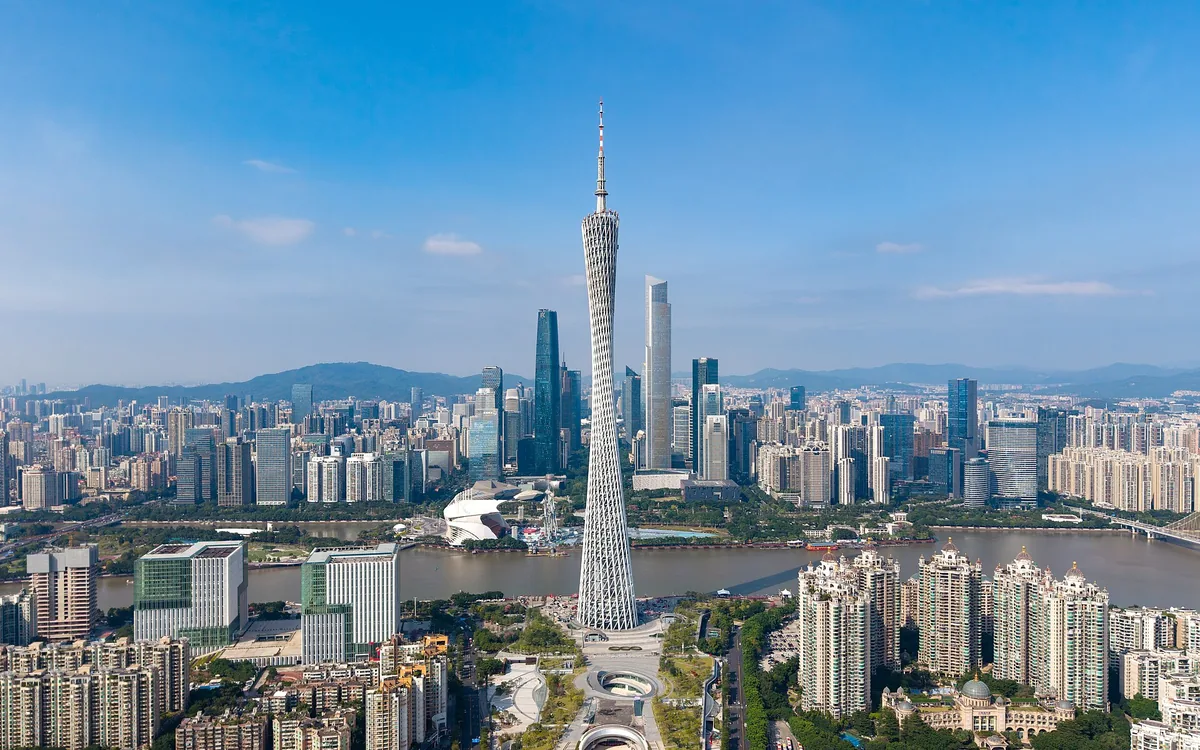
Guangzhou
All-round first choice · medical core of South ChinaFrom morning tea and dim sum in Yuexiu district, past the colonial villas of Shamian, to Huacheng Square in Zhujiang New Town; home to the First Affiliated Hospital of Sun Yat-sen University, Sun Yat-sen University Cancer Center, Guangdong Provincial People's Hospital and other top national medical resources.
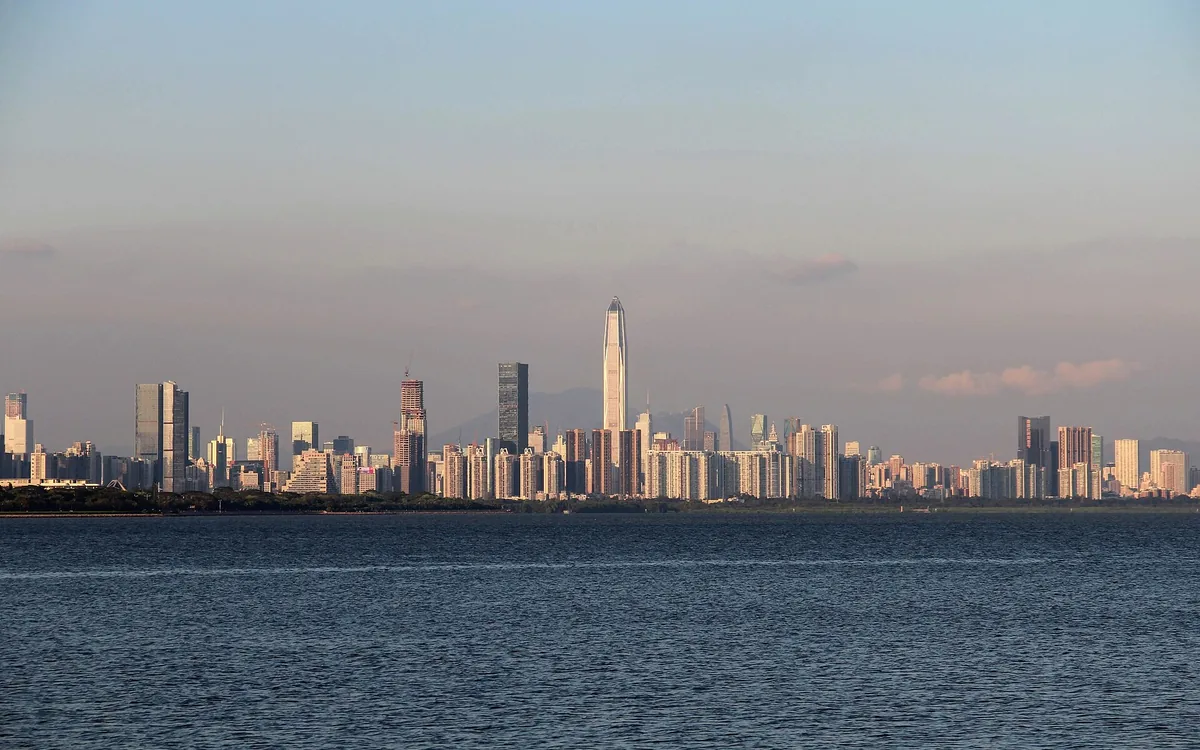
Shenzhen
Ultra-modern city · coastal boardwalk parksThe sea-breeze boardwalk at Talent Park in Shenzhen Bay, electronics exploring in Huaqiangbei, drone food delivery and well-built accessible pathways —— young and energetic, with easy connections to Hong Kong.
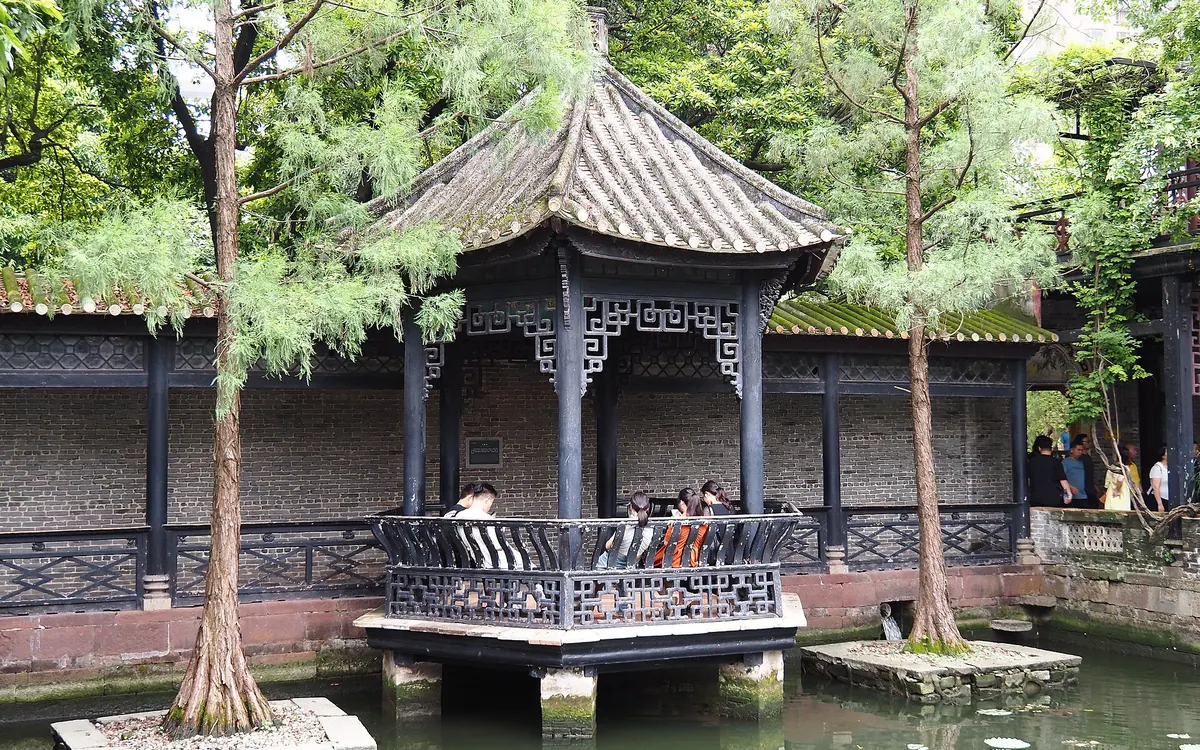
Shunde
A taste of Shunde · UNESCO City of GastronomyBoats on the waterways of Fengjian, the classical gardens of Qinghui Yuan; shredded fish soup, congee cooked to order, double-skin milk pudding and crisp roast goose. Nothing jars for Malaysian Chinese stomachs —— simply satisfying.
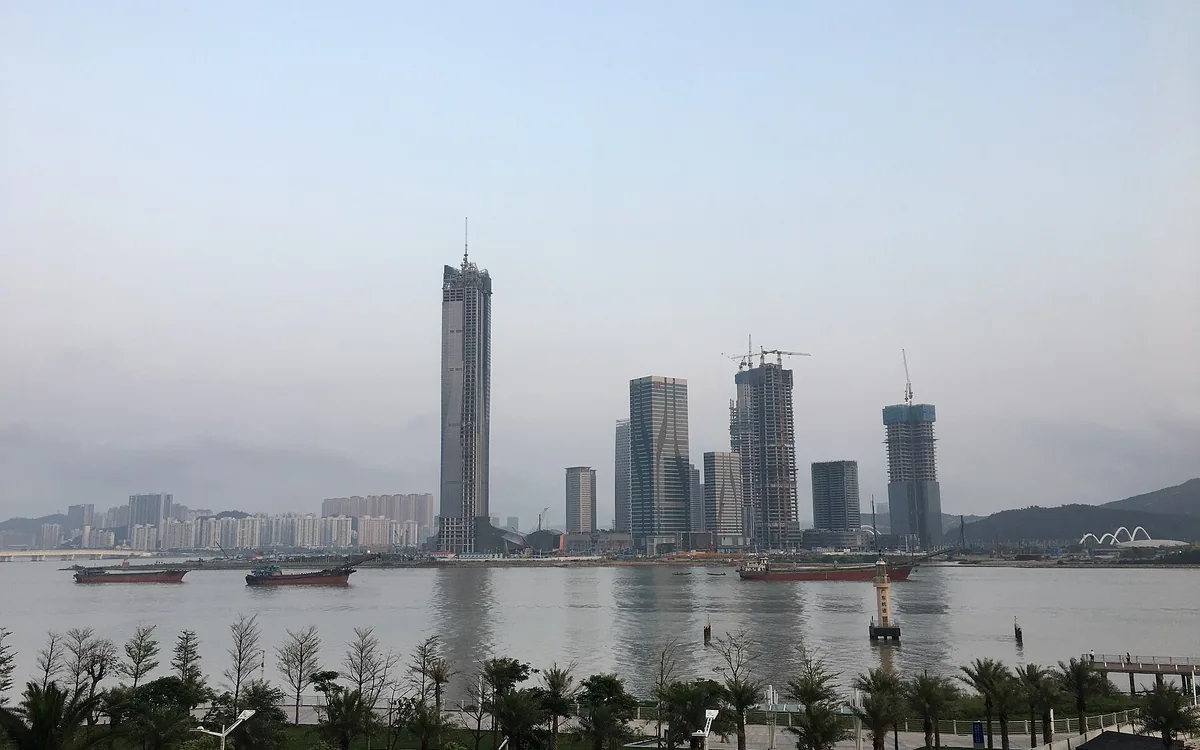
Zhuhai / Hengqin
Romantic coast · Hong Kong–Zhuhai–Macao Bridge hubStroll along Lovers' Road, watch the sunset at the Sun and Moon Shell theatre, visit Chimelong Ocean Kingdom. Fresh air and a gentle pace, with Macao reachable on foot through Gongbei or Hengqin port.
The Greater Bay Area one-hour rail circle and boarding with a Malaysian passport
Guangzhou South ⇌ Shenzhen North (29 minutes) · Guangzhou South ⇌ Zhuhai (50 minutes). Book on 12306 with a Malaysian passport and scan through the dedicated gate with that same passport —— no paper ticket needed.
Fitting the check-up into your trip: how much time to allow, how the process runs
Many Malaysian friends travelling in China add an advanced early-cancer and cardiovascular screening at a public tertiary hospital in Guangzhou. Here is the full timeline, worked backwards.
| Stage | Action items | What you need to prepare | Who handles it |
|---|---|---|---|
| 12–3 weeks before travel | Submit personal health priorities, medical history and family history so we can match a precise tertiary-hospital check-up package (e.g. low-dose spiral CT, early cardio-cerebrovascular screening, painless gastroscopy and colonoscopy). | Age, family disease history, list of long-term chronic medications. | YILV CHINA · free package advice |
| 21 week before travel | Confirm the intended public tertiary-hospital appointment slot, check the arrival and departure dates on your China flight, and issue a check-up confirmation (with the exact reporting time and fasting instructions). | Clear scan of the examinee's passport bio page, list of accompanying family members. | YILV CHINA · liaison completed (end of service) |
| 31 day before the check-up | Eat lightly, fast after 8pm and stop drinking water after midnight; bring the packaging of any regular Malaysian chronic-disease medication for on-site registration. | Original passport, previous check-up reports, clothing without metal. | The examinee and accompanying family |
| 4Check-up day (half day) | Arrive at the hospital check-up building at 8:00am and register with your passport; blood draw, ultrasound, advanced imaging and so on, in sequence. After the fasting tests, enjoy the hospital's set breakfast. | Follow the on-site guided route; allow about 3–4 hours of morning fasting time. | Public tertiary-hospital check-up department |
| 53–5 days after the check-up | Full biochemical and imaging analysis is issued. Collect a bound paper report before returning to Malaysia, or download the encrypted PDF online; you may also book a specialist consultation to interpret it. | The examinee's personal report access code. | Public tertiary-hospital check-up department |
| 6Within 60 days after the check-up | [Green-channel assurance] If screening finds a significant or urgent positive finding (for example a suspected early malignant lung nodule, or severe dysplasia in the digestive tract), we assist free of charge with priority referral to a specialist appointment. | Original check-up report, disc of original DICOM imaging. | Receiving hospital's specialist team |
A flat USD 300 per case for check-up liaison · medical fees paid directly to the hospital
YILV CHINA's check-up liaison service covers: careful pre-trip matching of hospital and package, confirmation of a public-hospital priority appointment slot, issuance of the booking confirmation, and assistance with specialist referral within 60 days if screening finds a significant positive finding.
Completing the liaison and confirming the appointment is the end of this service. All examination, laboratory and treatment fees arising from the actual check-up are paid by you directly at the hospital counter by card or WeChat Pay. YILV CHINA does not collect on the hospital's behalf and does not add a mark-up.
* If after the check-up you need to apply for an academician-level MDT second-opinion letter, or cross-border referral for hospitalisation and treatment, that falls under a separate medical case system, contracted separately and per its own terms. There are no false promises of "everything handled free of charge".
Language, halal prayer, card payments: the three most common Malaysian concerns, addressed
Having surveyed more than a hundred Malaysian travellers and medical families heading to China, here is the honest picture.
Concern 1: What if language fails and I cannot write Simplified Chinese?
In Lingnan cities such as Guangzhou, Shenzhen and Shunde, Cantonese, Mandarin and English are all widely understood. Airports, high-speed rail stations and the entire metro network have clear English signage and bilingual announcements.
Concern 2: Halal food and daily prayer?
As starting points of the Maritime Silk Road, Guangzhou and Shenzhen have more than a thousand years of Muslim commercial culture. Around Huaisheng Mosque in Guangzhou (built in the Tang dynasty), Xiaobei Road and Yuexiu district, halal beef noodle shops, Xinjiang restaurants and Middle Eastern food are extremely dense.
Concern 3: What if my Malaysian card is declined?
China's two biggest multi-channel players, WeChat and Alipay, fully support linking Malaysian Visa, Mastercard and Touch 'n Go cards, and the payment is debited from your ringgit account on the spot.
Reference sources and official entry points
We hold to "every policy has a source, every figure can be verified", drawing together both countries' official bodies and this site's in-depth resources.
Official bodies and service channels of both countries
National Immigration Administration of the PRC (NIA)
Visa-free entry rules, live notices on transit visa-free ports
Consular and Overseas Chinese Affairs Office, Chinese Embassy in Malaysia
Acceptance requirements at the Kuala Lumpur / Penang / Kuching / Kota Kinabalu visa centres and S2 medical visa rules
China Railway Customer Service Centre (12306)
Online identity verification for foreign passports and direct booking of mainland high-speed rail tickets
Civil Aviation Administration of China (CAAC)
International direct-flight updates, customs rules for personal first-aid and prescription medicines
YILV CHINA · in-depth reference pages on this site
Public tertiary check-up packages and advanced equipment details
PET-CT, dual-source CT, cardiovascular calcium scoring and digestive endoscopy screening items
Cross-border medical second opinion (MDT) sample format
Sample bilingual diagnostic plans issued by Chinese academician-level experts, and how to read them
Treatment costs in China broken down: the three-stream fund model
Hospital direct accounts, Takaful cross-border direct-payment channels, and how professional service fees are separated
Greater Bay Area halal-friendly living services handbook
Halal restaurant locations around tertiary hospitals in Guangzhou, Shenzhen and Foshan, plus mosque prayer-time guidance
Talk it through first, then decide the itinerary
Planning a trip to China? Tell us your travel dates, the family members coming along, and your check-up screening needs. A coordinator will assess whether the schedule is feasible. We never push travel products —— we focus strictly on rigorous, efficient medical and check-up liaison.