
Is 30 Days Visa-Free Enough? When Must You Apply for an S2 Medical Visa?The Complete Guide to Cross-Border Critical Care Entry and In-China Extension
Precise relief for Malaysian patients' anxiety about time in China. For short-term investigation and first-line screening as well as long-term inpatient oncology and critical care, YILV CHINA draws on national Grade 3A public hospitals in Beijing, Shanghai and Guangzhou to issue a formal Medical Treatment Invitation Letter, opening up both compliant visa-free entry (30 days per entry; medical is a permitted visa-free purpose) and a long-term S2 medical visa channel for inpatient treatment; the permitted stay is decided case by case by the issuing authority.
Holding a stamped Medical Treatment Letter issued with the assistance of YILV CHINA by a national Grade 3A public specialist hospital, the patient and immediate family members may apply directly for expedited processing of an S2 medical accompanying visa, avoiding the scrutiny risk of an ordinary tourist visa.
30-Day Visa-Free Entry vs Official S2 Medical Visa Decision Compass
Based on the complexity of the condition, the treatment cycle and the expected length of stay, choose the most reliable lawful entry document and rule out the credit impact that overstaying has on later cross-border referrals.

30-Day Visa-Free Entry to China on a Malaysian Passport
Suitable for lightweight treatment decisions, short expert face-to-face outpatient reviews and non-invasive investigation plans
- •In-person specialist clinics with leading Grade 3A physicians (face-to-face MDT multidisciplinary review)
- •Single high-end imaging investigations (such as China's advanced 7.0T ultra-high-field MRI and new-generation PET-CT)
- •Gene re-sequencing after resistance to targeted oncology drugs and confirmation of the clinical medication plan
- •Minimally invasive day-case outpatient treatment for mild conditions, or initial TCM conditioning
Strictly limited by a 15 calendar-day countdown. If, in the middle of treatment, the condition proves complex and an urgent major general anaesthesia operation is required, or a post-operative complication or infection occurs, the hospital may face considerable pressure in approving an extension because the patient lacks lawful long-term S2 medical backing.
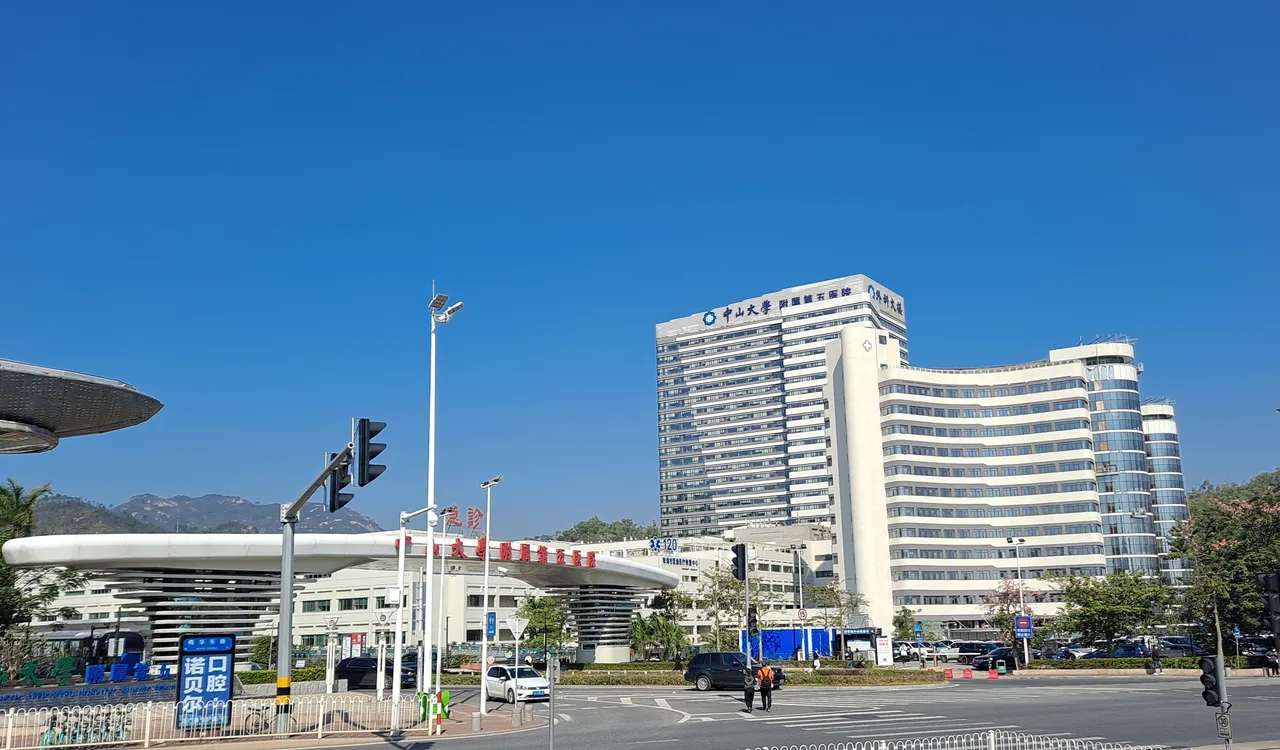
China's Official S2 Special Medical Visa
Issued by special approval from the embassy or consulate on the strength of a Grade 3A hospital Medical Treatment Invitation Letter, safeguarding medical safety across the full critical care cycle
- •Radical surgical resection of tumours, and major Da Vinci robotic thoracic or abdominal surgery
- •Proton and heavy ion radiotherapy courses (usually requiring 4-8 consecutive weeks of scheduling)
- •CAR-T cellular immunotherapy infusion (including prior lymphodepletion, cell infusion and the CRS observation period)
- •Bone marrow haematopoietic stem cell transplantation (including stay in a Class 100 sterile unit and 60-90 days of engraftment observation)
- •Multiple staged chemotherapy cycles, or combined cycles of interventional embolisation with immunotherapy and targeted therapy
The patient's spouse, parents and children may submit proof of kinship (notarised marriage or birth certificates) in the same batch and receive an S2 stay period fully equal to the patient's, ensuring all-round companionship and care away from home.
The Full Process for Obtaining an Official Medical Treatment Invitation Letter from a Grade 3A Public Hospital
The Medical Treatment Invitation Letter is the key core document on which the China Visa Application Service Center in Kuala Lumpur issues an S2 medical visa. It must be signed after clinical assessment by a specialist department chief at a national Grade 3A hospital and stamped with the official seal of the hospital's international medical department.
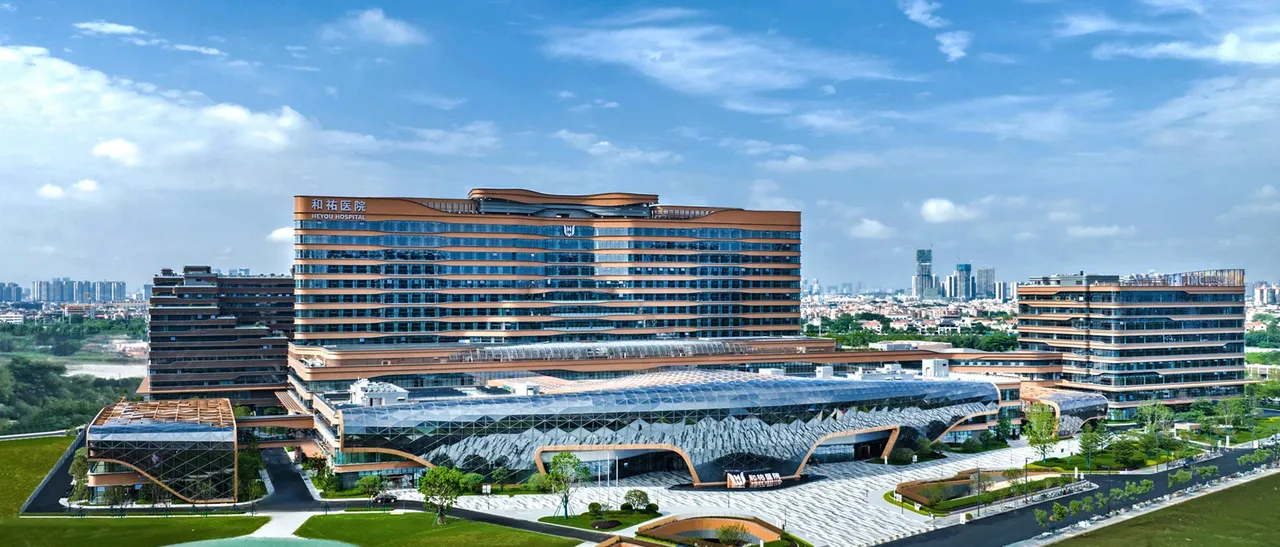
Standardised Compilation and Translation of Medical Records
We collect the patient's complete set of English diagnostic reports, pathology biopsy slide reports and DICOM imaging from public or private hospitals in Malaysia (such as Prince Court, Gleneagles and Sunway), and a professional medical team converts them into a Chinese summary that meets Grade 3A medical record standards in China.
Preliminary Review by a Grade 3A Specialist Department Chief
The file is distributed directly to the relevant department chiefs at Peking Union Medical College Hospital, Zhongshan Hospital Fudan University, Sun Yat-sen University Cancer Center and other hospitals. After assessing the condition, the chief confirms willingness to accept the patient and sets out a preliminary admission schedule and an estimated treatment pathway.
Issuing the Official Letter and Reserving a Bed
The hospital's international medical department approves and stamps the formal letter. The letter clearly states the patient's name, passport number, the admitting specialty, the name of the attending professor, the recommended treatment period in China and the reserved bed number in the international ward.
Priority Visa Submission at CVASC Kuala Lumpur
A YILV CHINA Kuala Lumpur ground officer accompanies the patient or family members, carrying the reviewed official letter and the kinship documents, directly to the urgent window of the China Visa Application Service Center on Jalan Ampang to complete biometric data collection and document submission.
Essential Checklist and Interview Key Points for the S2 Medical Visa at CVASC KL
- •Valid Malaysian passport (validity > 6 months, with at least 2 blank visa pages)
- •Original or high-resolution colour printout of the official Medical Treatment Invitation Letter from a Chinese Grade 3A hospital
- •Original diagnostic summary issued by a hospital in Malaysia (with a professional Chinese translation)
- •Round-trip flight reservation (for critical cases, a held-seat itinerary without ticketing is acceptable)
- •Valid passport of the accompanying family member and a 2-inch passport photo with a white background
- •Proof of kinship (Malaysian marriage certificate, child's birth certificate and similar documents)
- •If the documents are in English, a standard certified Chinese translation letter issued by YILV CHINA is required
- •Accompanying family member's statement of companionship and undertaking of care during treatment
- •Bank account statements for the past 3 months from the patient or a family member in Malaysia (evidencing ability to bear treatment costs)
- •Or a guarantee of payment letter under a Malaysian commercial medical insurance or Takaful policy for international direct billing (Guarantee of Payment)
- •Official YILV CHINA guarantee agreement and proof of prepaid treatment funds deposited with the Chinese hospital's corporate account
Treatment in China Running Over? The Public Security Bureau (PSB) Exit-Entry Administration "Bedside Extension" Mechanism
During the proton radiotherapy reaction period, CAR-T cellular immunotherapy observation or a post-surgical intensive care unit (ICU) stay, if the original visa stay cannot cover the treatment course, the patient need not risk the long journey back to Malaysia. YILV CHINA's in-China resident officers provide on-the-spot extension handling.
Specialist Staged Condition Report
Issued by the attending chief physician at the Grade 3A hospital and stamped with the official seal of the medical affairs office, the Certificate of Staged Condition Assessment and Necessity of Continued Inpatient Treatment sets out current vital signs, the treatment stage and the specific number of days of continued hospitalisation required.
Verification of Inpatient Billing Records
We compile the daily inpatient itemised bills, deposit receipts and medical expense records issued by the receiving hospital to demonstrate that the patient's finances are sound and that the stay in China is purely for legitimate medical treatment, fully meeting the legal criteria of the exit-entry administration for a visa extension.
On-Site Bedside Verification by Exit-Entry Officers
For bedridden critical care patients who cannot move, YILV CHINA's in-China foreign affairs team liaises on their behalf with the exit-entry detachment of the local public security bureau and coordinates a bedside interview in the international ward and a compliant interview, and assists with the stay extension; the permitted extension is decided by the local exit-entry administration.
Guide to Flights, Wheelchair and Stretcher Special Assistance, and Customs Declaration of Prescription Medication
We set out the cross-border clearance details for patients with limited mobility or those needing frequent analgesic medication, ensuring a seamless connection from departure at Kuala Lumpur KLIA to arrival in a Chinese Grade 3A ward.
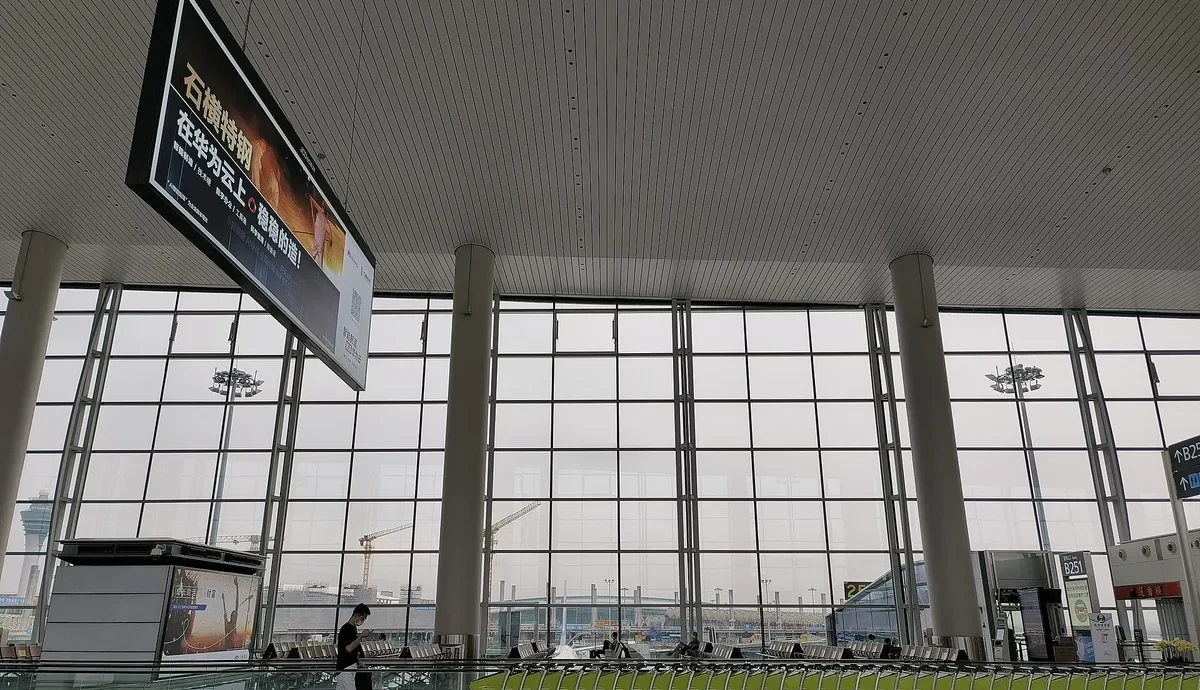
Direct Malaysia-China Flights to Treatment Ports
We recommend direct flights from Kuala Lumpur to avoid the fatigue of any third-country transit:
Admission link-up: Sun Yat-sen University Cancer Center, Nanfang Hospital of Southern Medical University
Admission link-up: Zhongshan Hospital Fudan University, Shanghai Proton and Heavy Ion Center, Ruijin Hospital
Admission link-up: Cancer Hospital Chinese Academy of Medical Sciences, Peking Union Medical College Hospital
Airport Wheelchair and Stretcher Special Assistance Applications
YILV CHINA assists with medical fitness-to-fly certification on Malaysia Airlines (MAS) / China Southern (CZ) / Air China (CA):
- check_circleWCHR / WCHC wheelchair assistance across the whole journey: a dedicated staff member pushes and accompanies the patient from the KLIA boarding gate to the border inspection channel at the Chinese port of entry.
- check_circleMEDIF fitness-to-fly declaration: for post-operative or oxygen-dependent patients, submit the aeromedical fitness form and the in-flight oxygen request 72 hours in advance.
- check_circleAmbulance meeting the aircraft on the apron: for critically ill patients, a Chinese 120 negative-pressure ambulance can be requested in advance to enter the apron and connect directly beneath the aircraft.
Customs Declaration of Carry-On Prescription Medication
Guidance on Chinese customs compliance rules for reasonable personal-use medication:
Never decant capsules or tablets into unlabelled pill boxes. Always keep the original Malaysian medicine box packaging and the English prescription issued by a Malaysian doctor (YILV CHINA prepares the accompanying Chinese letter).
Carry no more than a 7-day supply of strong opioid analgesics; a red prescription diagnosis certificate from a legitimate tertiary hospital is required, and the Customs Declaration Form for Incoming and Outgoing Passengers' Luggage of the People's Republic of China must be completed at Chinese entry customs.
Frequently Asked Questions on Visas and Entry (FAQ)
Removing uncertainty: every practical question Malaysian patients have about cross-border medical visas is answered clearly here.
How long can a Malaysian passport holder stay in China visa-free per entry?expand_more
In which cases must a visa be applied for in advance, and what obligations apply after visa-free entry?expand_more
What is this page’s visa-free information based on, and how often is it verified?expand_more
Can I enter China visa-free first, and then apply locally to continue my stay once admission is confirmed?expand_more
How many accompanying family members can be applied for at most? Can non-immediate relatives (such as friends or a domestic helper) obtain an S2?expand_more
Does a Grade 3A hospital in China charge for the Medical Treatment Invitation Letter? How likely is a visa refusal?expand_more
For Muslim patients, how can the visa stay period be reconciled with Halal food and religious prayer during treatment?expand_more
Rapid Pre-Screening Channel for Medical Visas and Entry Eligibility
Fill in the patient's current diagnosis and intended travel to China, and our Kuala Lumpur international case officer will assess the best visa pathway free of charge within 24 hours (visa-free direct flight vs expedited S2 letter).